
 Track Your Order
How to Crate Train Your Puppy
 Print Friendly Guide
How to Crate Train Your Puppy
Why Crate Training is Great for All Dogs
Crate training is not just for puppies! See what the experts have to say about its benefits.
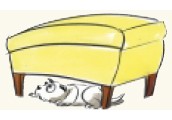 1) "Dogs, like their wild ancestors, instinctively want to seek shelter, even in the house. If not provided, they will create it themselves under a table, chair or bed. A crate serves as a den for the domesticated dog. I recommend covering wire crates to give your dog the privacy he needs to feel secure."
Dr Nicholas Dodman, BVMS, Dip ACVA, Dip ACVB, world renowned veterinary behaviorist, author and the director of the behavior center at Tufts University School of Veterinary Medicine
2) "Crates are the quickest and easiest way to housetrain a dog. Your puppy’s mother has already trained him not to eliminate in the den. Most dogs will do anything to avoid eliminating in their dens. Therefore confining him in his crate encourages him to “hold it.” You can make it more den-like and safe with crate covers and bumpers."
Dr. Nicholas Dodman, DVM
3) "When traveling in your car, crates provide safety for you, your passengers and your dog. Using Crate Bumpers protects your dog during sudden stops and turns."
Dr. Andrew Obstler, DVM
4) Crates are transportable, so unlike you, your dog can have his own familiar bedroom wherever he goes, whether he’s staying at a friend’s, a hotel or a kennel.
When to Crate Train Your Puppy
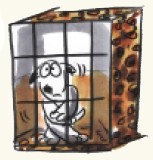 1) Puppies usually arrive at their new homes at 8 weeks of age. Just like babies they cannot control their bladders until they mature. This is usually between 3 and 6 months. While you are crate training puppies, be patient and expect accidents. Reward good behavior and ignore bad behavior!
2) Introduce your puppy to his crate the first day he arrives home. The best time is when he’s tired. You can put treats and toys inside the crate, which will entice him to go in on his own. When he enters the crate give him a lot of praise. You can use a special word or phrase for his crate such as “go to crate” or “go to bed” and he will soon understand.
3) Always keep a close watch on your puppy. Until he’s housetrained, it’s helpful to keep him on a leash when he’s not crated. This way he cannot sneak off and have an accident when you are not looking.
4) NEVER put housebreaking pads or newspaper inside the crate. It is important to take advantage of your puppy’s natural instinct not to soil his den.
How to Crate Train Your Dog
Follow the expert advice and you'll be on your way to successfully crate training your pup!
 1) When you are crate training puppies, the size of the crate is very important. Your dog’s crate should have ONLY enough room for him to stand, turn around and lay down comfortably. It is recommended that you buy one that will accommodate his full-grown size. However, you will probably have to block off the back of the crate while he is still a puppy or else he will make one side of the crate his potty, defeating the purpose.
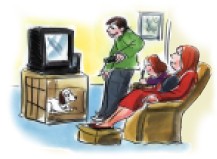
2) Dogs are social animals, so the ideal location for a crate is in a room full of activity. By making the crate comfortable your pet will enjoy his new room while still being part of the family.
Dr. Nicholas Dodman, DVM
3) Before training begins start a schedule and keep a written log of his feeding/ drinking and elimination times. This will help you predict when he’ll need to go. A puppy normally needs to eliminate after eating, playing and waking from a nap. As a general guideline, puppies can “hold it” one hour for every month of age, up to 8 hours (i.e. 3 months = 3 hours max).
Dr. Andrew Obstler, DVM
4) Confine him for 5 minutes at first to acclimate him to his crate. Gradually increase the time as he becomes more comfortable. DO NOT show excitement when releasing him or he’ll think of leaving his crate as a reward. Crate him several times a day, not just when you leave. Do not leave your dog unsupervised for long.
5) Just as a baby cries in his crib it is common to expect some distress at first. He may whine but don’t let him out until he stops or you’ll be rewarding negative behavior. Although crate training puppies can initially be noisy, be consistent! Crate Covers help reduce the amount of distractions your puppy sees, so he’ll be relaxed and more comfortable in the crate.
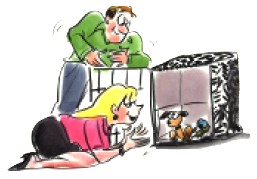 6) Crate your dog for the appropriate time and immediately take him where you want him to eliminate. AS he is eliminating, praise him lavishly and give it a name such as “go potty.” I reward with a play session. The pup learns that “as soon as I relieve myself, I get to play with my owner.” Only reward him when he eliminates. If he doesn’t, put him in his crate for 15 minutes and try again.
Pia Silvani- Director, Pet Training and Behavior Counseling, St. Hubert’s Animal Welfare Center, NJ
7) Do not abuse the crate by confining him for too long. If you cannot be home, arranging for a pet sitter or neighbor to help you is your best option because paper-trained pups are much more difficult to housetrain.
Pia Silvani
8) At nighttime your puppy will need to relieve himself less frequently. Put the crate next to your bed and if you hear whimpering (not playing) take him out. Initially, you may have to set your alarm half way through the night to take him out to avoid accidents. To be successful at crain training puppies, you must attend to the puppies needs whether or not it is convenient!
9) You may feed your dog in his crate, but remember to take him for a walk shortly afterwards and remove his water 3 hours before bedtime. If it's hot or your pup has exercised, leave a small amount of water or a few ice cubes to prevent dehydration. Avoid feeding him in the crate all the time, or he may become dependent on the crate and have difficulty eating in other environments.
Pia Silvani
10) If your dog soils his crate, most likely your crate is too big, you left him in too long or you didn’t follow a feeding schedule. Crate training puppies requires a crate that is the correct size and commitment!
If you feel your dog is suffering from separation anxiety and showing clinical signs, please avoid crating him until speaking to a professional.
Dog Crates are Not Just For Training
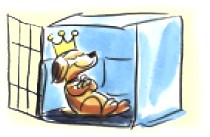
Your dog’s crate is his “special place” and should not be put away when training is complete. Crates give your dog an increased sense of security and build his confidence. The Pet Dreams line of Cratewear dog bedding provides comfort and safety for your dog and is a great way to reward him as he succeeds in his house training!

Crate training your puppy is rewarding!